• About
  • Books I’m Reading
  • Links

Reflections of a Lay Catholic

Reflections of a Lay Catholic

Tag Archives: Love

From the Archives: I Thirst For You

05 Tuesday Sep 2017

Posted by Jerry Robinson in Faith, Grace, Hope, Love

≈ 4 Comments

Tags

Faith, Forgiveness, Grace, Hope, I Thirst For You, Love, Mercy, Saint Teresa of Calcutta

Mother-Teresa-5-241x300

Today, 5 September 2017, is the Memorial of Saint Teresa of Calcutta and it marks the 20th anniversary of her death.

When I wrote the following post two years ago yesterday, I didn’t know I was writing it on the eve of the anniversary of her death.  Nor did I know that Blessed Teresa of Calcutta would become Saint Teresa of Calcutta exactly one year later.

No, I wrote it simply because I was deeply moved by the meditation, I Thirst For You, which is attributed to Saint Teresa.  The meditation still moves me today and is one I fall back on when I’m feeling the need to be lifted up.  I hope it lifts you up as it does me.

Peace be with you.

___________________________

I Thirst For You (reprinted from 4 September 2015)

Every now and then something comes along that is so special you can’t get it out of your mind. You keep revisiting it and replaying it. And, each time you do, you find one more nugget of inspiration that convinces you to repeat the process again.

Such has been my case ever since a friend shared a special meditation with our men’s faith sharing group a couple years ago. The meditation is titled, I Thirst For You, and its authorship is attributed to Blessed Mother Teresa. My friend read it to our group, in his baritone voice, slowly and with immense feeling. I closed my eyes and visualized as if Jesus was the One actually speaking to me. I was blown away. I could feel His love flowing over me.

Since that evening I have heard my friend read it a couple more times and I still get goose bumps. I have read it many times since, both to myself and to others, and each time I seem to focus on and ruminate over a new word or phrase that jumps out at me. I always find something new that brings me joy.

I read it again tonight and I thought back to that first time I heard it. I remembered how none of the six or seven of us men had ever heard the meditation before then, and I wondered how many other faithful Catholics have never heard it, either. It ought to be on the reading list of every Catholic. No, actually, it ought to be on the reading list of every Christian, not just Catholics. So, I decided to post it here on this blog and share it with all readers. I hope you get goose bumps, too.

Hint: Read this slowly and with feeling. When a word or phrase grabs your attention, take a moment to reflect on what it is Christ is trying to tell you at that moment. Then, I encourage you to share this with others and ask someone else to read it to you while you listen with your eyes closed and soak up its message. You won’t regret it. Let me know what you think.

God Bless.

I THIRST FOR YOU

“Behold, I stand at the door and knock…” (Rev.3:20)

It is true. I stand at the door of your heart, day and night. Even when you are not listening, even when you doubt it could be Me, I am there. I await even the smallest sign of your response, even the least whispered invitation that will allow Me to enter.

And I want you to know that whenever you invite Me, I do come – always, without fail. Silent and unseen I come, but with infinite power and love, and bringing the many gifts of My spirit. I come with My mercy, with My desire to forgive and heal you and with a love for you beyond your comprehension – a love every bit as great as the love I have received from the Father (“As much as the Father has loved me, I have loved you…”[John.15:9]). I come – longing to console you and give you strength, to lift you up and bind all your wounds. I bring you My light, to dispel your darkness and all your doubts. I come with My power, that I might carry you and all of your burdens; with My grace, to touch your heart and transform your life; and My peace I give to still your soul.

I know you through and through. I know everything about you. The very hairs of your head I have numbered. Nothing in your life is unimportant to Me. I have followed you through the years, and I have always loved you – even in your wanderings. I know everyone of your problems. I know your needs and your worries. And yes, I know all your sins. But I tell you again that I love you – not for what you have or haven’t done – I love you for you, for the beauty and dignity My Father gave you by creating you in His own image. It is a dignity you have often forgotten, a beauty you have tarnished by sin. But I love you as you are, and I have shed My Blood to win you back. If you only ask Me with faith, My grace will touch all that needs changing in your life, and I will give you the strength to free yourself from sin and all its destructive power.

I know what is in your heart – I know your loneliness and all your hurts – the rejections, the judgments, the humiliations. I carried it all before you. And I carried it all for you, so you might share My strength and victory. I know especially your need for love – how you are thirsting to be loved and cherished. But how often have you thirsted in vain, by seeking that love selfishly, striving to fill the emptiness inside you with passing pleasures – with the even greater emptiness of sin. Do you thirst for love? “Come to Me all of you who thirst…”(John 7:37). I will satisfy you and fill you. Do you thirst to be cherished? I cherish you more than you can imagine – to the point of dying on a cross for you.

I thirst for you. Yes, that is the only way to even begin to describe My love for you: I THIRST FOR YOU. I thirst to love you and to be loved by you – that is how precious you are to Me. I THIRST FOR YOU. Come to Me and I will fill your heart and heal your wounds. I will make you a new creation and give you peace, even in all your trials. I THIRST FOR YOU. You must never doubt My mercy, My acceptance of you, My desire to forgive, My longing to bless you and live My life in you. I THIRST FOR YOU. If you feel unimportant in the eyes of the world, that matters not at all. For Me, there is no one any more important in the entire world than you. I THIRST FOR YOU. Open to Me, come to Me, thirst for Me, give Me your life – and I will prove to you how important you are to My Heart.

Don’t you realize that My Father already has a perfect plan to transform your life, beginning from this moment? Trust in Me. Ask Me every day to enter and take charge of your life – and I will. I promise you before My father in heaven that I will work miracles in your life. Why would I do this? Because I THIRST FOR YOU. All I ask of you is that you entrust yourself to Me completely. I will do all the rest.

Even now I behold the place My Father has prepared for you in My kingdom. Remember that you are a pilgrim in this life, on a journey home. Sin can never satisfy you or bring the peace you seek. All that you have sought outside of Me has only left you more empty, so do not cling to the things of this life. Above all, do not run from Me when you fall. Come to Me without delay. When you give Me your sins, you give Me the joy of being your Savior. There is nothing I cannot forgive and heal, so come now and unburden your soul.

No matter how far you may wander, no matter how often you forget Me, no matter how many crosses you may bear in this life, there is one thing I want you to always remember, one thing that will never change: I THIRST FOR YOU – just as you are. You don’t need to change to believe in My love, for it will be your belief in My love that will change you. You forget Me, and yet I am seeking you every moment of the day – standing at the door of your heart and knocking. Do you find this hard to believe? Then look at the cross, look at My Heart that was pierced for you. Have you not understood My cross? Then listen again to the words I spoke there – for they tell you clearly why I endured all this for you: ”I THIRST….”(John 19:28). Yes, I thirst for you – as the rest of the psalm – verse I was praying says of Me: “I looked for love, and I found none…”(Ps 69:20). All your life I have been looking for your love – I have never stopped seeking to love you and be loved by you. You have tried many other things in your search for happiness; why not try opening your heart to Me, right now, more than you ever have before.

Whenever you do open the door of your heart, whenever you come close enough, you will hear Me say to you again and again, not in mere human words but in spirit: “No matter what you have done, I love you for your own sake. Come to Me with your misery and your sins, with your troubles and needs, and with all your longing to be loved. I stand at the door of you heart and knock…Open to ME, for I THIRST FOR YOU…”

“Jesus is God, therefore His love, His thirst is infinite. He, the creator of the universe, asked for the love of His creatures. He thirsts for our love….These words: ‘I thirst’ – do they echo in our souls?” – Mother Teresa

(The introduction to I Thirst For You was first published on the blog Reflections of a Lay Catholic, 4 September 2015.  The Post, From the Archives:  I Thirst For You, was first published on the blog Reflections of a Lay Catholic on 5 September 2017.)

___________________________

©2013-2017 Reflections of a Lay Catholic. Reposting and sharing of material in its full and original content is permitted, provided that full and clear credit is given to the author(s) and Reflections of a Lay Catholic.

Do You Love Me?

04 Sunday Jun 2017

Posted by Jerry Robinson in Bible Reflections, Faith, Grace and Mercy

≈ 4 Comments

Tags

Commitment, Faith, John 21:15-19, Love, Sin

jesus_peter__

It’s Sunday morning and I’m still ruminating over Friday’s Gospel (John 21:15-19) and what it said to me. It hit me so profoundly that I wanted to let the message sink in so I will never forget it.

When Jesus appeared to the Eleven the third time after being raised from the dead, He ate a breakfast of bread and fish with them. Right afterwards, He pulled Simon Peter aside and asked, “Simon, son of John, do you love me?” He didn’t ask only once. No, He asked three times. And, I think, by doing so, Jesus gave Peter the opportunity to redeem himself for having denied Jesus three times before His death. I’m sure that is what was on Peter’s mind as he answered, “Yes, Lord, You know that I love You.”

But, I don’t think Jesus was trying to rub it in. He wasn’t concerned about the depth of Peter’s love for Him, rather, he was looking for commitment from the one He was appointing to lead His church.

Commitment. That’s what He asks of me, too.

It’s taken two days for that to sink in. Jesus asks me in every waking moment, “Jerry, do you love Me?” Especially every time I am on the verge of sinning. I realize now that, at those times when I’m aware of the sin I am committing, my cognizance is actually Jesus asking me, “Do you love Me?” I’m ashamed that, by my actions, I all too often respond otherwise.

Jesus asks of us only two main things to be Holy: to love God, and to love our neighbors. Every sin contradicts one or both of those commandments. Each time an action, a spoken word, or a disrespectful thought, which damages a relationship with another person, damages my relationship with the Lord. That’s not conducive to getting me to heaven.

“Jesus, You know that I love You. I resolve today to make that evident in all that I do. I know I need the help of Your Sanctifying Grace to override my occasional wavering commitment. And, when I fail, as I will, I need Your loving Mercy and Actual Grace to let me try again. Amen.”

(Do You Love Me? was first published on the blog Reflections of a Lay Catholic)
©2013-2017 Reflections of a Lay Catholic. Reposting and sharing of material in its full and original content is permitted, provided that full and clear credit is given to the author(s) and Reflections of a Lay Catholic.
Overflowing Love

03 Monday Apr 2017

Posted by Jerry Robinson in Love, Thanksgiving

≈ 14 Comments

Tags

Children, God, Grand children, Joy, Love

This morning, as I held my newest grandson, four day old Myles, my heart was overflowing with love.  I looked upon his perfect face and beheld a miracle.

I glanced away for a moment and gazed upon Myles’ mother, the first of my four daughters, and remembered having the same feeling of overwhelming love almost 33 years ago.  I never knew I could love something so much.

I closed my eyes and counted my blessings:  five grand-children in two and a half years.  I prayed silently, “Thank you, God!  Your love has bestowed so many blessings on my family!”

“Your love”, I repeated.  As I looked at my grandson again with tears in my eyes I realized God was looking at me in that moment, as He does in every moment, with unfathomable and eternal love in His eyes.

“Dear loving and gracious God, thank you for your many blessings, especially the blessing of children and grand-children.  I pray you will watch over them all and keep them healthy and safe.  Amen.”

(Overflowing Love was first published on the blog Reflections of a Lay Catholic)

©2013-2017 Reflections of a Lay Catholic. Reposting and sharing of material in its full and original content is permitted, provided that full and clear credit is given to the author(s) and Reflections of a Lay Catholic.

Finding Rest in the Desert

04 Saturday Feb 2017

Posted by Jerry Robinson in Renewal

≈ 6 Comments

Tags

Adoration, Christ Renews His Parish, Cursillo, Desert, Faith, Friendship, God, Gospel of Mark, Hope, Jesus, Love, Mark 6:31, Mass, Peace, Prayer, silence, solitude, Thanksgiving, Ultreya

“[Jesus] said to them, ‘Come away by yourselves to a deserted place and rest a while.’”                     – Mark 6:31 NAB

In today’s Gospel, Jesus instructs His apostles to take a break from their travels and their mission of preaching repentance and healing of unclean spirits. Two by two, they have been separated and away from Jesus for quite some time.  They are tired and dirty.  They have healed many but have been rejected by many, also.  They’re ready for some downtime and time to re-energize.

As I heard the lector read this verse from the Gospel of Mark this morning at mass, I reflected on my own experience and realized that Jesus, as always, hit the nail on the head. For me, it has always been when I have retreated to a “deserted” place for rest and reflection that I have, afterwards, found myself refreshed and renewed in my faith and closer to Jesus.

My first experience was five years ago when I attended a Christ Renews His Parish (CRHP) retreat weekend at our parish church. My decision to go on the retreat was based not on getting closer to Jesus or to increase my faith, for I wasn’t Catholic nor remotely religious, but to hide from the daily struggles of work, and trying, unsuccessfully for the most part, to bring some balance to my life.  I also hoped to meet some men and make some new friends.  I did meet many men and made many new friends – not just acquaintances but lifelong brothers.  And, more importantly, I found God and the love of Christ.  My life was transformed and it hasn’t been the same since.  I became Catholic one year later.

Following that CRHP experience, I met regularly with some of those new friends on a regular basis in a quiet room at our church or at each other’s homes. They were special times, ones which would have required a natural disaster to keep me away.  We talked about how we had seen God working in our lives, and we opened up and shared the difficulties we were trying to overcome.  We chose scripture passages to read and discuss.  We learned from each other and we encouraged each other and we formed brotherly bonds.

With pressures from work seeming to increase, I wanted more of this type of respite. I began attending Bible studies and other opportunities to learn and deepen my faith, including weekly Adoration of the Blessed Sacrament.  Along with spending time with my wife, these encounters were the things which brought me peace.

In wanting to learn more about my faith, I jumped at the invitation to attend a Cursillo weekend where I could again spend a restful few days in reflection and fellowship with other men. Like CRHP, it was a life changing experience.  As a follow-up to Cursillo, monthly Ultreya meetings and weekly discussions of our prayer life, what we are doing to grow our faith, and what we are doing to bring others to Christ, keep me grounded and help direct my attention away from worldly strife.

Through these experiences, I have learned to take advantage of other opportunities for silence, solitude and time for prayer when I am away from my home field and friends. At those times, my “desert” becomes a rolling mountain stream, a peaceful perch overlooking a valley, holding a sleeping grandchild in my arms, or just about any place where I can marvel at His many miracles.

rock-creek

One of my favorite places to rest and listen to God – Rock Creek, west of Red Lodge, Montana.

I have probably read that verse from Mark several times but it never hit home until today. Before mass was over I took time to say a prayer of Thanksgiving for giving me the desire to want to find my own isolated “desert”, and to take time for rest and recharging by the best power source there is, Jesus Christ.

Where is your “desert”? Where do you go to find peace and quiet?  Do you make the time to go?  Do you go there with the intention of spending time with Jesus and letting him recharge you?  You should!  Go!  Look for the opportunities.  Attend a retreat such as Christ Renews His Parish or Cursillo.  Schedule time to meet with faithful men and women from whom you can grow your faith and who will lift you up with encouragement.  If this is new to you, signing up for a Bible study at your church is a good place to start.  The important thing is to seek Him.  Seek Him in a place that offers a measure of solitude and silence where you can listen to God, perhaps through others, and speak to Him in prayer.  You will find Him and you’ll be glad you did.

“O, loving and gracious God, I give You thanks for arranging our first meeting where I learned of and felt Your immense love for me. Thank You for rewarding me with Your peace each and every time I have come back to You.  Your love increases my faith, and my faith brings me hope for a life of eternity with You.  Amen.”

(Finding Rest in the Desert was first published on the blog Reflections of a Lay Catholic)

©2013-2017 Reflections of a Lay Catholic. Reposting and sharing of material in its full and original content is permitted, provided that full and clear credit is given to the author(s) and Reflections of a Lay Catholic.

The Jubilee Year of Mercy: The Spiritual Works of Mercy

01 Thursday Dec 2016

Posted by Jerry Robinson in Catechism, Catholic Moral Teaching, Charity, Hope, Love, Mercy, Spiritual Works of Mercy

≈ Leave a comment

Tags

Admonishing the Sinner, Bearing Wrongs Patiently, Catholic Catechism, Comforting the Afflicted, Counseling the Doubtful, Forgiveness, Forgiving Others Willingly, Instructing the Ignorant, Know Mercy Show Mercy, Love, Mercy, Praying for the Living and the Dead, Spiritual Works of Mercy

know-mercy-show-mercy

I squeezed in my post about The Corporal Works of Mercy two days prior to the close of the Jubilee Year of Mercy.  I’m a few days late in following up with its sister post about the Spiritual Works of Mercy, but, just because the Year of Mercy came to an end, doesn’t mean we have to stop learning about mercy and being merciful.

Spiritual Works of Mercy:  Meeting the spiritual needs of others

“Fill your empty neighbor from your fullness, so that your emptiness may be filled from God’s fullness.” – St. Augustine, Sermon 56, 9.

Just as it was when St. Augustine wrote these words in the early fifth century, many men and women today are spiritually lost and barely surviving in today’s cultures of individualism, hedonism, minimalism and relativism. They are hurting inside and, although they may not admit it, they are searching for truth.  As Christians, we are called to lead others to the real truth and light of Jesus Christ.  We can do this by practicing the spiritual works of mercy:  instructing the ignorant; counseling the doubtful; admonishing the sinner; bearing wrongs patiently; forgiving offenses willingly; comforting the afflicted; and praying for the living and the dead.

Instruct the ignorant

“Remember your leaders who spoke the word of God to you. Consider the outcome of their way of life and imitate their faith.” – Hebrews 13:7 (NAB)

Instructing the ignorant essentially means bringing knowledge of the love of God through Jesus Christ to those who have not had the opportunity to get to know God. We do this first and foremost by living the Gospel – being witnesses to Christ – in our daily lives.  We have to live our lives as examples by radiating love; being charitable and forgiving; living our lives with gratitude; and letting others see the peace and joy we experience of being “in Christ”.  We don’t even have to open our mouths – just let our actions speak for themselves.

Sometimes, however, we are called to speak. We don’t preach from street corners, rather, we gently evangelize – communicate the love of God to everyone we meet – by helping them find meaning and a sense of place in this world.  We can try to convince all day long but until others experience God’s love with their own senses, we can’t expect them to “get it”.  It means we may have to testify and let others know how it feels to us to live in faith and receive Christ’s love.  Ultimately, our job is to lead them to a rendezvous with the Holy Spirit.

Counsel the doubtful

“On those who waver, have mercy.” – Jude 1:22 (NAB)

It can be difficult to give counsel to people whose faith is wavering, or to those who fear the transformation that will take place if they give their life to Christ. It takes study to deeply learn our faith and have the strength to be able to practice this work of mercy.  We can’t be half-baked Catholics and expect to effectively counsel the doubtful.  It takes conviction based on knowledge and a love for Christ that lets our counsel come straight from our hearts.

Many Catholics fall away from their faith because of doubt when they don’t feel the presence of God in their lives. When we counsel, we need to intimately understand their relationship with God.  We have to be patient and accepting.  And, they have to know our love for them.  The act of counseling means inspiring people to believe they can have a relationship with God.  Then, we let the Holy Spirit take over.

Admonish the sinner

“We urge you, brothers, admonish the idle, cheer the fainthearted, support the weak, be patient with all.” – 1 Thessalonians 5:14 (NAB)

We would have to be hermits to not observe other people sinning. And, to everyone else, we are the other people.  So, as we think about how to apply this work of mercy, we ought to consider how we would like to be admonished for our own sins.

We should remember the adage, “Hate the sin, not the sinner”, and not judge a person for his or her sins. Our admonishment should be a result of our love for the person, a love that wants to make them aware of the hurt or damage that their sins created to themselves and to others.  Our admonishment has to be made with humility and an awareness of our own shortcomings, and a belief that none of us are perfect.  Our job is to gently and respectfully call the person to conversion, not beat them up.  But, there is a catch:  to not be hypocritical about the particular sin being admonished, we have to ourselves be virtuous with respect to that sin or we have to be a witness to the difficulty of conversion and ask for reciprocal help and prayers.

Bear wrongs patiently

“But to you who hear I say, love your enemies, do good to those who hate you, bless those who curse you, pray for those who mistreat you.” – Luke 6:27-28 (NAB)

We have all been wronged by another person in some way. Often, our response is anger and a desire for vengeance, to give what we received no matter how unkind or unfair.  But, Jesus taught us to turn the other cheek, to love our enemies, and most importantly, to forgive them.  Fair enough.  So, what does patience have to do with it?

This patience requires internal strength to wait and hope for improvement or a discontinuation of the wrong that is being done; or a conversion of the other person by giving them a chance to get it right. Then, there is a second form of patience – forbearance – which we have to practice when it comes to the wrongs we commit ourselves.  After repenting of our own sins, we have to make the effort to not sin again, and to avoid the near occasion of sin.  We are wise to be patient with ourselves knowing that we might not get it right the first time but, through forbearance and the grace of God, we eventually will.

Forgive offenses willingly

“All bitterness, fury, anger, shouting, and reviling must be removed from you, along with all malice. Be kind to one another, compassionate, forgiving one another as God has forgiven you in Christ. – Ephesians 4:31-32 (NAB)

This is probably the most difficult act of mercy because it means turning loose of our hurt feelings caused by others. It means putting an emphasis on the word, “willingly”, and understanding that forgiveness can’t be forced.  We have to want to forgive for it to be true forgiveness.  It’s not easy.  We will probably have to pray for the grace and strength to forgive.

Forgiveness boils down to love. It means shedding the feeling of being a “victim” and looking beyond the hurt we have experienced.  We have to accept that we are worth loving, not only by others but by ourselves.  It means loving the person we are forgiving.  We don’t have to necessarily like or want to associate with them, but, Jesus commanded us to love them.  This means we wish them well and set them free from their guilt.  We must remember the words that we pray, “….Forgive us our trespasses as we forgive those who trespass against us….”

Comfort the Afflicted

“Do not let your heart be troubled. You have faith in God; have faith also in me.” – John 14:1 (NAB)

Many people are overwhelmed with stress or a battle raging within; or full of emotional pain from bruised and broken relationships. It doesn’t matter if their pain is a result of hurt caused by someone else or from their own decisions in life.  It’s still pain.  Unfortunately, many have no one to whom they can turn to help relieve their suffering.

One of my favorite singer/songwriters, Jason Gray, describes in a few compassionate words what comforting the afflicted is all about in his song, If You Want to Love Someone:

“If you want to love someone/Search their heart for where it’s broken/Find the cracks and pour your heart in/If you want to love someone.”

Comforting the afflicted is about showing up. It’s being a shoulder on which a person in need can lean; it’s giving advice, if asked; it’s listening to their story and helping them feel they matter; and offering a needed hug.  It’s about our Christian Community being attentive and actively looking for our neighbors who need help.

Pray for the Living and the Dead

“In it he also went to preach to the spirits in prison…” – 1 Peter 3:19 (NAB)

In our Mass, we reserve a special moment at the end of the Liturgy of the Word for prayer intentions. We have prayer chains in which we request prayers for, and offer prayers to, the living sick and afflicted. We believe that Jesus hears and answers our prayers, as well as the intercessory prayers we ask of the saints in heaven, especially those from the Blessed Virgin Mary.  We sacrifice and offer up our own afflictions as a form of prayer for others. The power of prayer is not only phenomenal, but a miracle!

Unfortunately, we aren’t able to see the effectiveness of our prayers for those who have already departed this life. But, our faith tells us they are heard.  As Catholics, we believe the soul of a person receives purification in purgatory before passing on to heaven and that our prayers will help “cleanse” the souls (“Nothing unclean shall enter it [heaven]”-Revelations 21:27) of those awaiting entrance to heaven.  As we pray for the dead, we can imagine the day when we, too, find ourselves there and hear the gratitude from those whom our prayers assisted.  That will be our special reward for this work of mercy.

As we come to the end of this first week of Advent – the season in which we prepare to give our hearts to God not only for Christmas, the celebration of the birth of His Son, but also in anticipation of His second coming and, ultimately, our judgment day – I’d like to leave you with a quote I heard from Fr. Larry Richards at a Catholic Men’s Conference two Saturdays ago:

“Mercy is love incarnate. It is giving something good to someone who doesn’t deserve it.  We have to give mercy to receive mercy.  Thus, we need to become instruments of mercy.”

Be merciful!

“Holy Trinity, fill my heart with Your love and open my eyes to see opportunities to mercifully share Your love with those who need it most. Amen.”

(The Jubilee Year of Mercy – Spiritual Works of Mercy was first published on the blog Reflections of a Lay Catholic)

©2016 Reflections of a Lay Catholic. Reposting and sharing of material in its full and original content is permitted, provided that full and clear credit is given to the author(s) and Reflections of a Lay Catholic.

From the Archives: A Man of Mercy

27 Sunday Nov 2016

Posted by Jerry Robinson in Advent, Christmas, Mercy

≈ 2 Comments

Tags

Advent, Faith, Forgiveness is a Miracle, Jason Gray, Jesus, Joseph, Love, Man of Mercy, Mercy, Year of Mercy

Nativity Scene

With the Jubilee Year of Mercy ending last Sunday and the season of Advent beginning today, I thought I would resurrect this post from December of 2013.  As we begin preparing ourselves for the birth of Jesus, the following perspective of what might have been going through Joseph’s mind and heart in the days before that blessed event serves perfectly to bridge the gap between the Year of Mercy and Advent.  In his song Forgiveness is a Miracle (A Song for Joseph), Jason Gray paints for us a profound example of the mercy that was offered by Joseph, and, in the last verse, gives us insight into the divine wisdom of God.

When I originally posted this I did not include a link to the lyric video of the song. I am including it here Forgiveness is a Miracle (A Song for Joseph) so you can actually hear the song and feel the meaning within. I hope you enjoy it and that it helps you prepare your heart to be offered as a gift to our Lord on His birthday. Let me know what you think.

God bless you and may this be your best Advent ever!

A Man of Mercy  (Reprinted from 5 December 2013)

About this time last year I was listening to a new CD I had purchased by my new favorite singer/songwriter, Jason Gray.  The CD is called Christmas Stories: Repeat the Sounding Joy.  One particular song on it, “Forgiveness Is A Miracle (A Song For Joseph)”, caught my attention because it was so different from any other Christmas song I had ever heard.  Plus, its subject was something which I had never considered:  what was going through Joseph’s mind and heart prior to, and during, his wife giving birth to not his son, but Jesus, the Son of God?

I discovered that Jason Gray had written an article for The Rabbit Room describing the story behind the song and he explores this difficult situation in which Joseph found himself.  I have re-posted his article below and included a link to The Rabbit Room’s website.  I hope you find it as thought provoking as I did.

http://www.rabbitroom.com/2012/10/the-story-behind-forgiveness-is-a-miracle/

Joseph manger stained glass

The Story Behind “Forgiveness Is a Miracle”

by Jason Gray on October 16, 2012

As I approached writing songs for each of the characters in the Christmas story, I felt particularly protective of Joseph, who I think sometimes doesn’t get the attention he’s due. At the very least I know that I’ve been guilty of not really “seeing” him for the remarkable man that he was, and I wanted to amend that. I enlisted my friend Andy Gullahorn, one of the most masterful storytellers I know, to explore a particular moment in Joseph’s story with me.

Taking my cue from Frederick Buechner’s book, “Peculiar Treasures,” in which he breathes new life into biblical characters who have grown so familiar to us that we no longer experience them as real human beings, I hoped to recapture some of the humanity of the people in the Christmas narrative. It was also important to me to try and write songs that were relevant beyond the four weeks between Thanksgiving and Christmas day. I wanted to tell timeless human stories, and with Joseph we have the makings of just that with a love triangle, a question of revenge or forgiveness, and the age old drama of fathers and sons.

As I read his part in the narrative, I found that more than just a foster parent without much to do (as he was often relegated to in my mind), Joseph is revealed as a man after God’s own heart. Faced not only with the news that his fiancée is pregnant, but also with her incredulous story of how it was God’s doing, Joseph’s character is tested and laid out for all of us to see. What will he do? Will he hurt the one who has hurt him? Will he forgive? This is his moment, and all of history waits and watches in wonder.

There are few things more painful than the betrayal and rejection by the one you love most, so we know it must have deeply wounded him—shattering the dreams he may have had of a future with the girl he loved. Pain is like a lightning bolt striking with a violent energy that can’t be held in the human heart for long. It looks for a way out. The way it usually passes through us is in the all too common progression of hurt turning into anger and then into vengeance. Unless the miracle of forgiveness takes place in a person’s heart to absorb it, the pain we experience will pass through us and be visited upon others.

There is debate as to whether it was within Joseph’s power to have her stoned—while Jewish custom might have allowed it, Roman rule did not. However, if not to her body, we know he still could have done violence to her reputation and her heart. But I believe that Joseph did the hard work of bringing his pain to God rather than letting it pass through him, and that God graced him with the miracle of forgiveness. The narrative tells us he was a “godly man” and that instead of doing her harm, “he decided to dismiss her quietly” so that she wouldn’t be publicly shamed. He took the full force of the blow and–acting as the husband he might have been–became a covering over her supposed sin.

It’s hard for us to experience the tension in Joseph’s story since, as the reader, we know from the start that she isn’t guilty of what he naturally supposes and that God is up to something beautiful that the world has never seen before. But to see Joseph for who he is, I have to remember that he couldn’t know these things in real time. It was only after he had given himself to the work of forgiveness that the angel appeared to him in a dream to tell him that what Mary had said was true after all, and that he should marry her.

It occurred to me that perhaps this is where Joseph’s heart was proven—if not to God who already knew his heart, then perhaps to himself. (I haven’t met a man yet who isn’t daunted by the responsibility of being a father, let alone a father to the Son of God. Maybe this was a test to reveal to Joseph what kind of man he could be.) In this moment he is found to be a man of mercy, which I imagine to be just the kind of man that God was looking for to be the earthly father of his son Jesus. In a way, we see that Joseph carries in his heart the same world changing power of forgiveness that Mary carried in her womb.

It’s also meaningful to me to think of how Joseph forgiving Mary is part of the story that leads to the birth of the savior in whom Joseph would find forgiveness for his own sins. Perhaps it’s the narrative form of Jesus’ teaching that as we forgive we find ourselves forgiven.

As we wrote the song, it was good to be reminded that forgiveness is a kind of miracle. I could be wrong, but I’m not sure that we can muster up forgiveness on our own. It seems to me to be a supernatural force of renewal that we participate in as we point our hearts toward it, pray for it, and make room for it in our lives, but that ultimately we receive it as a gift from God, in his due time.

Forgiveness Is A Miracle (A Song For Joseph)

Jason Gray / Andy Gullahorn

from Christmas Stories: Repeat the Sounding Joy

Love can make a soul come alive

Love can draw a dream out of the darkness

And blow every door open wide

But love can leave you broken hearted

Did she dare to look you in the eye

Did her betrayal leave you raging?

Did you let her see you cry

When she said the child was not your baby?

Pain can turn to anger then to vengeance

It happens time and again

Even in the best of men

It takes a miracle to save us

When love is like an open wound

There’s no way to stop the bleeding

Did you lose sleep over what to do?

Between what’s just and what brings healing

Pain can be a road to find compassion

When we don’t understand, and bring a better end

It takes a miracle to show us

Forgiveness is a miracle

A miracle

And a miracle can change your world

Forgiveness is a miracle

An angel in a dream spoke into your darkest night

So you trusted in the Lord and you took her as your wife

But the forgiveness that you gave would be given back to you

Because you carried in your heart what she was holding in her womb

Love was in a crowded barn

There you were beside her kneeling

You held it in your arms

As the miracle started breathing

Forgiveness is the miracle

The miracle

And a miracle will change your world

Forgiveness is the miracle

Forgiveness is the miracle

The miracle

A miracle will save the world

Forgiveness is the miracle

Forgiveness is the miracle

Forgiveness is the miracle

Blessed Joseph

Your heart is proven

And through you the Kingdom has come

For God delights in a man of mercy

And has found an earthly father for his son

(From the Archives: A Man of Mercy was first published on the blog Reflections of a Lay Catholic)

©2016 Reflections of a Lay Catholic. Reposting and sharing of material in its full and original content is permitted, provided that full and clear credit is given to the author(s) and Reflections of a Lay Catholic.

The Jubilee Year of Mercy: The Corporal Works of Mercy

18 Friday Nov 2016

Posted by Jerry Robinson in Catechism, Catholic Moral Teaching, Charity, Corporal Works of Mercy, Hope, Love, Mercy

≈ 3 Comments

Tags

Burying the Dead, Catholic Catechism, Charity, Clothing the Naked, Corporal Works of Mercy, Feeding the Hungry, Giving Drink to the Thirsty, Harboring the Homeless, Hope, Kindness, Know Mercy Show Mercy, Love, Mercy, Ransoming the Captive, Visiting the Sick

know-mercy-show-mercy

When I posted The Jubilee Year of Mercy – The Basics in March, I promised to post more about mercy, what it is and how we can apply it in our lives.  With the Year of Mercy ending this Sunday, November 20th, on the Solemnity of Christ the King, I’m running out of time.  Yes, I procrastinated, but it took a while to understand the concept of mercy well enough to feel comfortable relating it to you.

Specifically, I want to delve into what we call the Corporal and the Spiritual Works of Mercy. To keep the post short enough, I will break them into two posts.

Corporal Works of Mercy: Meeting the physical needs of others

“The works of mercy are charitable actions by which we come to the aid of our neighbor in his spiritual and bodily necessities….Among all these, giving alms to the poor is one of the chief witnesses to fraternal charity: it is also a work of justice pleasing to God.” (CCC 2447) The corporal works of mercy include:  feeding the hungry; giving drink to the thirsty; clothing the naked; harboring the homeless; visiting the sick; ransoming the captive; and burying the dead.

Feeding the Hungry

“The generous shall be blessed, for they share their food with the poor.” Proverbs 22:9 (NAB)

This corporal work of mercy is nearly self-explanatory. We all know that most communities have a food pantry or soup kitchen that provides meals to those who do not have the means to buy their own food.  Many people volunteer to serve food.  Some organize food drives.  And others who can’t find the time to volunteer donate food to those who do.

But, there are other ways to feed the hungry which often go overlooked. Do you know a person who is unable to cook a meal for themselves or their family?  Perhaps you could prepare a meal and deliver it to them.  Parents and spouses, in a sense, are offering a work of mercy by working and sacrificing to earn money to provide and prepare healthy meals for their families.  It’s not about the kind or amount of food, but the love that goes into providing it.  Give your heart.  Offer your works of mercy out of love for others.

Give Drink to the Thirsty

“Whoever drinks of the water that I shall give him will never thirst; the water that I shall give him will become in him a spring of water welling up to eternal life.” – John 4:14 (NAB)

Fortunately, most of us don’t have to worry about having enough clean water to drink. That’s not true in most of the rest of the world.  Even in our own country the urban homeless and those in poverty stricken areas often have too little fresh drinking water.

With this corporal work of mercy, however, we need to think beyond the literal into the figurative aspect of spiritual thirst. How many of us thirst for affirmation, for compassion, to be welcomed and understood?  How many children thirst for attention and closeness from their working parents who barely have the time to devote to them?  How many elderly are lonely for someone with whom they can talk?  Sometimes the merciful “drink” we give to others is simply respect, dignity and kindness.

Clothe the Naked

“He said to them in reply, ‘Whoever has two tunics should share with the person who has none.’” Luke 3:11 (NAB)

If we look around we can see that many people in our communities struggle to adequately clothe themselves and their families. This is especially true during the harshness of winter.  Clothing the naked is perhaps the easiest of the works of mercy to apply in our lives.  There are many outlets, such as St. Vincent de Paul and The Salvation Army, where we can deposit our no longer wanted clothing for distribution to those who do need it.  Similar to Feeding the Hungry, we should not be afraid to give the good stuff.

We can clothe the naked in a figurative sense as well. Consider those who have wronged us in some way and are seeking forgiveness – they are laying their souls bare to receive our forgiveness.  We need to clothe their “nakedness” by listening to their heart-felt pleas and restoring their dignity with compassion.  When we do this we are clothing Jesus.  Our actions transform us by opening us up to receive the grace of God.

Harbor the Homeless

“Jesus answered him, ‘Foxes have dens and birds of the sky have nests, but the Son of Man has nowhere to rest his head.’”  Luke 9:58 (NAB)

This is a tough one. In today’s society, most of us would be foolish and rightfully afraid to open our homes to strangers.  So, how do we harbor the homeless?  Perhaps the easiest way is to support, through monetary contributions and volunteering our time, those organizations which specialize in providing shelter to the homeless.  Another way is to volunteer with an organization that improves people’s living conditions by repairing their homes.  By helping to shelter the homeless we are being Christ to those whom we “harbor”.  And, because we are Christian, we are obligated to see Christ in them.  We are helping “The Son of Man” find a place to “rest His head.”  By being merciful we are introducing them to Jesus.

Visit the Sick

“I was sick and you visited me.” Matthew 25:36 (NAB)

This corporal work of mercy is often misunderstood. Comforting the sick is more the intent.  It’s more than visiting the infirmed just to say you did.  Instead, it’s about reaching out and bringing relief to those who need help.  Whether the person is physically ill or spiritually ailing from isolation or loneliness, a visit borne out of love can be healing.  For many, being present and praying with them can heal their soul.  Unlike children who can be comforted with a “get-well” toy, the best remedy for adult illness is the gift of a loving personal encounter.  A visit to the sick is more than sharing their personal space, it’s sharing their emotional space and bringing love and dignity into it.

Ransom the Captive

“Just so, the Son of Man did not come to be served but to serve and to give his life as a ransom for many.” Matthew 20:28 (NAB)

In the early Church, Christians frequently ransomed fellow Christians being held captive in prisons or in slavery by taking their place. They volunteered their own captivity so that another may have freedom.  We don’t see this anymore and I don’t think we could do it if we wanted to.  So, we have to view this work of mercy in a figurative sense.  In doing so, it is easy to see that we are all held captive in one way or another:  to addictions and self-defeating habits; to the stranglehold of money and possessions; to guilt, fear, and failure; to abusive relationships; to poverty; and to the stigma of past sins.  Many things control us.  How do we help others to be liberated from their captivity?

The starting place is to have a loving desire to help another get out of their pit, to break their chains. Some “prisoners” may need expert help, but, for many, the simple effort of helping one get back on their feet by being loving and encouraging is all it takes to initiate their liberty.  Examples include:  befriending someone who is alone in the world; and rescuing children who are captive in their environments by offering them a way out through mentoring programs.  Ransoming the captive is using our time, talent and treasure to redeem those who are being held in their individual prisons.  We need to remember that Jesus’ death on the cross ransomed us from eternal isolation from God.

Bury the Dead

“Give your gift to all the living, and do not withhold your kindness from the dead.” Sirach 7:33 (NAB)

As Catholics, we confirm our beliefs about the dead every time we profess in our Creed that we believe in the resurrection of the body. This belief drives our funeral rites which, even in death, are outward signs of honoring the dignity of a person.  Our Catechism explains this work of mercy beautifully:  “The bodies of the dead must be treated with respect and charity, in faith and hope of the Resurrection….it honors the children of God who are temples of the Holy Spirit.” (CCC2300)

Before I became Catholic I dreaded funerals. They were uncomfortable events to say the least.  But, now, attending a funeral with the understanding that it is an opportunity to offer mercy, I am not only able, but have a desire to pay my respects to the memory of the deceased and to offer consolation to the mourning family.  And, putting everything in the context of mercy helps me to deal with my own sorrow.

The beauty about this act of mercy is not having to wait for someone you know to die. In the last couple years, I have attended three funeral masses for people whom I didn’t even know.  They were members of my parish community and, in a sense, family.  My prayers joined the prayers of so many others in an expression of faith in the Resurrection and the hope that the faithful departed were on their way to eternal life.

There are other ways to live this act of mercy. Sadly, the cost of a funeral is beyond the means of many in our society today.  Helping the family cover the cost of a funeral is something communities or parishes can do by setting up fund collections.  Another is to provide food for the post-funeral gathering to enable family and friends to continue their consolation and sharing of memories.

One final thought: our Lord was given a decent burial.  The least we can do is honor Him by doing the same for others.

Just because the Year of Mercy is coming to an end doesn’t mean we stop being merciful. The need for mercy is constant and more critical than we can imagine.  And, though we look outward towards those who need our mercy, we can never lose sight that we all need mercy in our own lives.  The mercy we give comes from God the Father.  Likewise, the mercy we receive from our neighbors, loved ones, and even strangers, also comes from God the Father.  I challenge you to consider how you can be more merciful in your life.  Begin today.

Stay tuned for my next post on the Spiritual Works of Mercy!

“Lord God, help me to always recognize and be grateful for the mercy you shower upon me. To show my gratitude, please allow me to be your hands, feet and heart by being merciful to others.  Amen.”

(The Jubilee Year of Mercy – Corporal Works of Mercy was first published on the blog Reflections of a Lay Catholic)

©2016 Reflections of a Lay Catholic. Reposting and sharing of material in its full and original content is permitted, provided that full and clear credit is given to the author(s) and Reflections of a Lay Catholic.

The Big Stuff

06 Sunday Nov 2016

Posted by Jerry Robinson in Faith

≈ 4 Comments

Tags

Big Stuff, Body of Christ, Eucarist, Faith, Friendship, God, Grace, Jesus, Love, Marriage, Mass, Thanksgiving

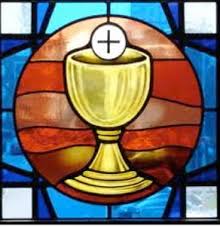
holy-eucharistI don’t know if it’s just the time of year, or the change in the weather, or some straggling ragweed still in the air, but I felt puny all last week. I decided to take Friday off and I made a 9:15 a.m. appointment to see my doctor.  On Thursday night before bed I told my wife that I was looking forward to sleeping in an extra hour or two.  Then she asked me if I would like to go to 7:30 a.m. mass with her, something I never get to do because of my work hours.  I replied I would be glad to, but then thought to myself I need to change that “hour or two” of extra sleep to just one hour.

Melinda woke before me on Friday morning and was already down stairs when I rolled out of bed. We met up after I showered and dressed and, unlike every normal work day, I had a chance to give her a big hug and good morning kiss.  I growled, “I love you”, in my broken voice that was about two octaves lower than normal.  Melinda replied, “You don’t sound too good!”, to which I said, “I feel great, I got an extra hour of sleep and I’m getting to hug you this morning.  My day is starting off fabulously!”  She responded, “Boy, it just takes little stuff to get you feeling good.”  I didn’t tell her but I thought, “No, darling, this isn’t little stuff.  This is big stuff.  This is why I decided I’m going to retire.  These little moments of intimacy are the big reward.  They’re what makes life worth living.”

We went to mass and got there a couple minutes late. I seldom get to go to weekday masses and always get a little confused with the slightly abbreviated version as compared to the usual Sunday mass.  In one way I miss the hymns (the people around me probably didn’t miss my singing!) but then without them it gets me to the Celebration of the Eucharist that much quicker.  Receiving Holy Communion is always the high point of my day.  As I accepted the Blessed Sacrament I marveled at how that one little round disk, which just a few moments earlier was simply a wafer of bread, can, with its transformation, transform one’s whole life.  And, then, with a glance towards the crucifix which hung above the altar, I thought, “That’s not just a little round wafer of bread, no, that’s BIG stuff!  Bigger than BIG!  It is truly the body of Christ!”  Upon kneeling back at my pew I gave thanks to Jesus for the unity with Him, for His nourishing my spirit, for His forgiveness of my sins and for the grace to avoid sinning, and for giving me the grace to listen to the Holy Spirit and let it fill my heart with love.  Yeah, that’s real big stuff.  It’s what makes life worth living.

Later that afternoon, I had the opportunity to join a friend to talk about our faith. We meet weekly to share with each other how our prayer life has been going over the last week, what we’ve been doing to study and grow our faith, and what actions we have taken to spread the word of God or bring Christ to others.  We’ve found that this weekly exercise helps us hold each other accountable so that we don’t get lazy in our faith.  It only takes an hour.  To some it may seem like small talk, but to me it’s that man to man time when we can be honest with each other and we know that we can trust the other to help keep us on the right path.  More big stuff.  And, more of what makes life worth living.

I love the big stuff.  How about you?  What’s your big stuff?

“Heavenly Father, thank you for opening my eyes to the big stuff in life and helping me decide to turn away from the things that have kept me from the big stuff. As I move into retirement I pray that I can always keep the big stuff the big stuff.  But, Lord, I know I will lose focus from time to time and I pray you will gently bring me back.  Amen.”

(The Big Stuff was first published on the blog Reflections of a Lay Catholic.)

©2016 Reflections of a Lay Catholic. Reposting and sharing of material in its full and original content is permitted, provided that full and clear credit is given to the author(s) and Reflections of a Lay Catholic.

In Which Season Is Your Marriage?

02 Wednesday Nov 2016

Posted by Jerry Robinson in Marriage

≈ 4 Comments

Tags

Four Seasons of Marriage, God, Grace, Love, Marriage, Romance, vocation, Worldwide Marriage Encounter, WWME

On October 25th, my wife and I took time to spend the day together at a Worldwide Marriage Encounter event.  The event, affectionately dubbed the Day of Romance, was attended by nearly 40 couples who were consciously trying to turn their good marriages into great marriages.

The program for the day was inspired by the book The Four Seasons of Marriage by Gary Chapman.  The four seasons depict the different stages through which married couples either thrive or suffer, and the transition periods between them.  The program was presented by four volunteer couples who gave witnesses of periods in their marriages when they were in one of these seasons.

dor-fall

Fall

The first season presented was “Fall”, a cooling period that may follow a time that was filled with much fun and intense closeness but which is beginning to wane. Couples may experience uncertainty about where their marriage is heading and they hope the relationship will get better on its own.  But, if they choose to make no extra effort to improve intimacy and understanding, the relationship can often slide into “Winter”.

dor-winter

Winter

The “Winter” season is often a “Fall” that didn’t get turned around. Instead, it gets colder and causes severe lack of intimacy and feelings of aloneness between the couple.  The previous uncertainty becomes reality.  Lack of communication and understanding of each other’s feelings compounds the situation.  If enough love and effort isn’t devoted to the relationship during this season, the marriage will suffer.

Neither “Fall” nor “Winter” is where we want to be. But, if we find ourselves there, we can rejuvenate our marriage through intentional effort allowing us to emerge with our relationship stronger than it was before.

dor-spring

Spring

“Spring” is that season when the relationship is blooming, the uncertainty is diminishing and there is hope in the air. As partners, intimacy is growing; doubt is being replaced with optimism and trust; and bitterness with love and gratitude.  This change in attitude allows husband and wife to begin enjoying each other again.


dor-summer

Summer

“Summer” is the season we strive for. It’s when we are at our closest.  We have fun, we enjoy being with each other, our positive attitudes are shining, and love is vibrantly alive.  It’s during this summertime of our marriage when other couples take notice and want some of what we have.

As the Day of Romance came to a close I noticed the many smiles, hugs, and hand-holding. There was a lot of summertime in that room.  The attitudes were contagious and I thought how great it would be if that essence could be bottled and gifted to couples who struggle.

Since that day, I have pondered what it is that makes these marriages so good? I’ve decided that good marriages happen independently of the age of the couple or how many anniversaries they’ve had.  I believe the secret is in each husband and wife opening their hearts to God’s Word.  They accept that their marriage is a God-given vocation and their love drives them to live up to God’s expectations.  As such, it appears they are taking the hard road, diligently working to make the most of their marriage.  They intentionally find uncommon ways, perhaps romantically but not necessarily so, to express their love verbally and in their actions.  They are giving their all to their relationship and they are receiving their spouse’s all.

In contrast, they are doing the opposite of many married couples who don’t see their relationship as a God-given vocation. Through laziness and wrong expectations, sadly, these couples don’t put their hearts into helping each other thrive.  It appears they are taking the easy way out by minimizing marriage and doing as little as they can to get by instead of maximizing it.  They are selfishly concerned about their own happiness instead of focusing on that of their spouse.

The truth is, ironically, that those who do accept marriage as a God-given vocation actually have the easy road, and the others have the hard road. For it is God’s grace bestowed on the former, that enables them to easily do the hard work for the benefit of their partners.  Those who do the least possible have a perpetual struggle to keep their marriages afloat because they lack the buoyancy of God’s grace.

I realized that bottling the positive attitudes of successful couples, even if it was possible, would be doing no favors for those who take their marriage for granted. There simply is no substitute for the love, hard work and dedication, which, by its own virtue, receives the supernatural assistance of God’s grace to lift each other up by placing the other’s physical, emotional and spiritual needs ahead of one’s own.

(In Which Season Is Your Marriage? was first published on the blog Reflections of a Lay Catholic)

©2016 Reflections of a Lay Catholic. Reposting and sharing of material in its full and original content is permitted, provided that full and clear credit is given to the author(s) and Reflections of a Lay Catholic.

Peace Be With You

09 Sunday Oct 2016

Posted by Jerry Robinson in Discernment, Faith, Hope, Love, Prayer, Spirituality

≈ 10 Comments

Tags

1 Thesselonians 5:18, Authentic Life, Faith, God, Holiness, Hope, Jesus, John 14:27, Legitimate Needs, Love, Matthew Kelly, Peace, Prayer, Retirement, Sign of Peace, Spirituality

peace-be-with-you

At the sign of peace during Mass on a Sunday morning a few months ago I smiled and uttered, “Peace be with you!” to those around me. As they did the same to me I thought to myself, “Thank you, but, actually, I’m not at peace.  It’s more like turmoil.  My life is incongruent with the life I would like to be leading.”  I knew I was living what Henry David Thoreau called, “a life of quiet desperation.”

I was quick to blame the stress of my job, the expanding corporate bureaucracy, and a huge increase in travel away from home, for my discontent. In my 31 years of management with my employer I had never felt such disharmony.

peace-be-with-you-hotel-room-key-cards-2

Just a few of the hotel room key cards I’ve collected over the last two years.

I knew the real rub, however, was that my job demanded so much of my time that there were huge voids in my personal life. Voids I could no longer ignore:  my health was suffering; my relationships weren’t thriving; I was doing very little to stimulate myself mentally; and, because of extensive work related travel, I struggled to find time to pray as I ought, and I desperately missed the fellowship and sharing of my faith with other men in my community.

Since becoming Christian, I have believed that God has placed me here for a purpose. Thus, I found myself praying often for guidance from the Holy Spirit to learn what God’s will is for me.  A semblance of an answer came to me during an Adoration hour, not while I was striving to understand the future, but as I reflected on the past.  I sensed His will for me up to this point in my life had been to provide for my wife and family.  I thought I had done well but I counted the cost and estimated roughly 20 percent of my working life had been spent away from home and family.  In that moment I knew one of the things He wanted me to do with the rest of my life was to be the disciple, husband, father, grandfather, son, brother, and friend He designed me to be.  Clearly, my new purpose would be to pour my love into those relationships and grow them to a deeper level of intimacy.

I don’t think it was coincidence that shortly after this revelation I was reading a book by Matthew Kelly in which he wrote about becoming fully the person God created us to be and living the authentic life He created us to lead. Kelly talked about how living an authentic life helps us reach the essential purpose of our Christianity – Holiness.  And, with respect to the physical, emotional, intellectual and spiritual “legitimate” needs God created in us he wrote, “When we hear these deepest desires calling us forth, we hear the voice of God.”  I realized God was calling me to fill that void by fulfilling those needs.

But, I saw a catch. I knew I couldn’t give my all to His plan and perform my job as I should.  That only left one alternative – retirement.  And that was a scary thought.  I’m not quite 60 years old.  Retirement would mean not earning a paycheck every two weeks.  It would mean purposefully living within my means and my means were nothing more than what I had saved.

I also feared falling into the trap of mistakenly fantasizing that my life would magically be better once I retire. Many retirees believe that spending a life of leisure on their boat, on the golf course, or taking exotic vacations, will bring them happiness.  For some it might but, for most, pleasure seeking doesn’t bring lasting happiness.  I didn’t want that to be me.  I was happy to accept that my purpose would not be pleasure focused or to accumulate more stuff, but to seek God and find happiness by satisfying the essential needs He intended for me.

After more prayer and discussion with my wife, I concluded I needed to retire. I couldn’t ignore the Holy Spirit’s call to refocus my life. As for my financial wherewithal, I accepted that I would have to have faith that my needs would be met.  But, just in case, and afraid of what I might discover, I finally decided to consult with a retirement planner.  When his report came back I was pleasantly surprised to find that we should be able to live comfortably for the rest of our lives.

Having made up my mind, I only needed to tell my boss of my intention to retire. Because the driver for my decision to retire was stress induced unhappiness, I wasn’t sure what I would tell him, without sounding bitter and negative, if he asked why I decided to retire.  As I thought about this during the drive to where we were meeting everything became perfectly clear.  All the things that had kept me from being satisfied were simply steps in the process of God calling me to move on and to fulfill those God-given needs.  In that instant I recalled 1 Thessalonians 5:18 (NAB), “In all circumstances give thanks, for this is the will of God for you in Christ Jesus.” The bitterness I felt evaporated.  I forgave everyone whom I had previously blamed for creating the stress in my life, as well as myself for my own personal contribution.  And, instead of being negative, I praised God for the suffering that pushed me to hear His call.

Last Tuesday when I told my boss of my intention I felt as though a huge weight had been lifted from my shoulders. I know the remaining days between now and the day I retire will be enjoyable and productive because I have a new purpose: to live a healthier, less stressful life; to grow emotionally by bringing more intimacy to my relationships; to help and serve others; to grow intellectually; and to grow spiritually by getting closer to Jesus, and having the time to apply the Gospels to my life every day.

I’m not sure what direction my life will go or exactly what I will do in retirement. But I’m sure it will be an adventure as God unveils new sources of happiness.

This morning at Mass during the sign of peace, when my brothers and sisters shook my hand and said, “Peace be with you!” I thought, “Thank you, by the Grace of God, it is.”

Peace be with you all.

“Heavenly Father, thank You for sending Your Holy Spirit to help me see and hear Your call. I sometimes wish, though, that You would make it just a little easier for me to do so.  Amen.”

(Peace Be With You was first published on the blog Reflections of a Lay Catholic)

©2016 Reflections of a Lay Catholic. Reposting and sharing of material in its full and original content is permitted, provided that full and clear credit is given to the author(s) and Reflections of a Lay Catholic.

← Older posts
Newer posts →

Enter your email address to follow this blog and receive notifications of new posts by email.

Join 264 other subscribers
Follow Reflections of a Lay Catholic on WordPress.com

Recent Posts

  • Take a Walk
  • Winter Respite
  • Are You Ready to Proclaim the Gospel?
  • A Prayer for Continued Progress
  • Be Like the Thessalonians

Categories

Top Posts & Pages

  • ASK A PRIEST - CAN ATHEISTS GO TO HEAVEN?
  • Are You Prepared for Lent?
  • The Anti-Beatitudes
  • Please Pray for Our Priests
  • If You're Going to Believe in Everything You Read, then Start with Your Bible
  • A Confessional Curveball
  • Giving Your Heart
  • Keep Close to You
  • Finding Grace through Eucharistic Adoration
  • So Many Churches, Too Little Time

Archives

  • February 2026
  • January 2026
  • September 2025
  • August 2025
  • July 2025
  • May 2025
  • April 2025
  • February 2025
  • January 2025
  • December 2024
  • November 2024
  • September 2024
  • July 2024
  • May 2024
  • April 2024
  • March 2024
  • February 2024
  • January 2024
  • December 2023
  • November 2023
  • October 2023
  • September 2023
  • August 2023
  • June 2023
  • May 2023
  • April 2023
  • March 2023
  • February 2023
  • January 2023
  • December 2022
  • November 2022
  • October 2022
  • September 2022
  • June 2022
  • May 2022
  • April 2022
  • March 2022
  • February 2022
  • January 2022
  • November 2021
  • July 2021
  • June 2021
  • May 2021
  • April 2021
  • March 2021
  • February 2021
  • January 2021
  • November 2020
  • October 2020
  • September 2020
  • August 2020
  • July 2020
  • May 2020
  • April 2020
  • March 2020
  • January 2020
  • December 2019
  • November 2019
  • September 2019
  • July 2019
  • June 2019
  • May 2019
  • April 2019
  • March 2019
  • January 2019
  • December 2018
  • November 2018
  • October 2018
  • September 2018
  • August 2018
  • July 2018
  • June 2018
  • May 2018
  • April 2018
  • March 2018
  • February 2018
  • January 2018
  • December 2017
  • September 2017
  • August 2017
  • July 2017
  • June 2017
  • May 2017
  • April 2017
  • March 2017
  • February 2017
  • December 2016
  • November 2016
  • October 2016
  • September 2016
  • August 2016
  • July 2016
  • April 2016
  • March 2016
  • January 2016
  • December 2015
  • November 2015
  • September 2015
  • August 2015
  • July 2015
  • June 2015
  • May 2015
  • April 2015
  • March 2015
  • February 2015
  • January 2015
  • December 2014
  • November 2014
  • October 2014
  • September 2014
  • August 2014
  • July 2014
  • June 2014
  • May 2014
  • April 2014
  • March 2014
  • February 2014
  • January 2014
  • December 2013
  • November 2013
  • October 2013
  • September 2013
  • August 2013
  • July 2013
  • June 2013
  • May 2013
  • April 2013
  • March 2013
  • February 2013

Meta

  • Create account
  • Log in
  • Entries feed
  • Comments feed
  • WordPress.com

©2013 – 2026 Reflections of a Lay Catholic. Reposting and sharing of material in its full and original content is permitted, provided that full and clear credit is given to the author(s) and Reflections of a Lay Catholic.

Blog at WordPress.com.

  • Subscribe Subscribed
    • Reflections of a Lay Catholic
    • Join 264 other subscribers
    • Already have a WordPress.com account? Log in now.
    • Reflections of a Lay Catholic
    • Subscribe Subscribed
    • Sign up
    • Log in
    • Report this content
    • View site in Reader
    • Manage subscriptions
    • Collapse this bar
 

Loading Comments...